Daily Routines
Building a Daily Vitamin D and Magnesium Stack for Active Men
Marcus Chen
·
·
9 min read

Few supplements in the men's nutritional space have accumulated as extensive a body of published research documentation as creatine. An organic compound found naturally in muscle tissue and in certain foods — particularly meat and fish — creatine has been the subject of nutritional research since the early 1990s. The editorial interest here is not in rehashing that literature as a persuasion tool, but in observing how active men in 2026 are integrating creatine into their daily supplement routines, and what the pattern of that integration reveals about contemporary men's nutritional habits.
Published nutritional research examining creatine and physical output has accumulated across several decades and multiple independent research institutions. The broad editorial summary of that record is that creatine supports physical output over time in resistance training routines, particularly in contexts involving short-duration, high-intensity physical effort. This is the evidence-informed framing that Oranev Journal applies: a characterisation of what the nutritional record shows, without the promotional language that dominates much of the consumer-facing supplement writing in this space.
The mechanism, as documented in nutritional journals, involves the role of phosphocreatine in the rapid resynthesis of adenosine triphosphate — the energy currency of muscle contraction. What is notable from an editorial perspective is that this mechanism has been independently replicated across research populations and contexts, lending it a degree of documentary robustness that is uncommon in the supplement literature.
Active men who incorporate creatine into their daily supplement stack tend, in the editorial record, to do so with an awareness of this research background. This distinguishes creatine from many other supplements documented in men's nutritional writing, where habit formation often precedes rather than follows engagement with published evidence.

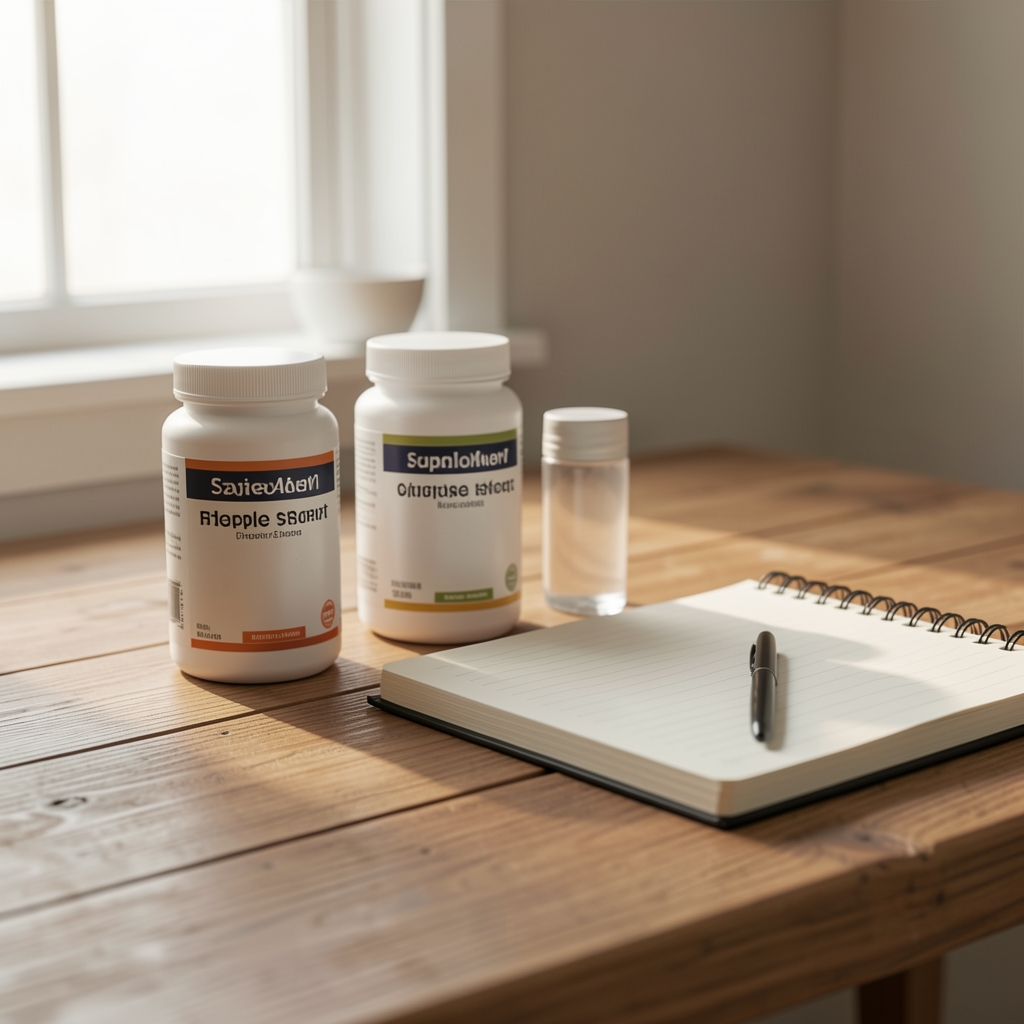
Supplement journalling practice, editorial documentation — Oranev Journal, 2026
The timing of creatine supplementation is a recurring editorial question in men's nutrition writing. The pattern that emerges from reviewing both the published research and the habit documentation of active men is one of pragmatic consistency: creatine appears most often in pre- or post-training windows, but the editorial consensus from reviewing the research record is that timing matters considerably less than daily consistency.
Men who maintain a daily creatine habit — regardless of training schedule on any given day — report greater ease of routine adherence than those who tie creatine intake exclusively to training sessions. This observation aligns with the broader editorial theme of consistency as the primary supplement variable, documented across multiple pieces in this journal.
The daily supplement stack that includes creatine tends, in the editorial documentation of active men's routines, to place it alongside a protein-containing meal or shake. This is not a strict nutritional requirement in the research literature, but a practical habit integration that reduces the cognitive load of the daily routine.
"Creatine's editorial standing rests not on promotional claims but on the depth and breadth of its published research record."
Oranev Journal — Editorial Observation, 2026
In the men's supplement editorial space, creatine occupies an interesting position: it is simultaneously one of the most thoroughly researched supplements and one of the most frequently misrepresented in commercial writing. The promotional register that surrounds it — claims of transformative physical change, language borrowed from performance-enhancement advertising — sits awkwardly alongside the measured, observation-based tone of the nutritional research it rests upon.
The active men whose supplement habits Oranev Journal documents tend to navigate this gap by returning to the research record directly, rather than relying on consumer-facing supplement writing as a primary source. This editorial behaviour — engaging with primary nutritional sources rather than branded content — is itself a meaningful pattern, suggesting a degree of nutritional literacy that is worth documenting.
Within the broader daily supplement stack, creatine typically appears alongside protein, often following training, and frequently in combination with the micronutrient foundations explored in the previous piece in this series — vitamin D and magnesium. The full stack, as documented across active men's routines, will be the subject of a dedicated editorial piece later in this series.
The relationship between creatine and protein supplementation in men's nutritional habits merits its own editorial note. While creatine supports physical output over time in resistance training routines, protein supports daily protein intake targets alongside whole foods — the two functions are distinct but complementary, addressing different aspects of the same underlying concern: daily performance and recovery.
Active men who document both habits tend to regard them as independent decisions that share a practical context: the post-training window, where both protein consumption and creatine supplementation align naturally with the body's recovery rhythm. The editorial observation here is not that this timing is uniquely optimal, but that it reflects a practical habit architecture that the research record supports as consistent with observed recovery patterns.
The next article in this series turns from the protein-creatine pairing to the micronutrient layer of the men's supplement stack, examining omega-3, zinc, and B vitamins through the same evidence-informed editorial lens.

Marcus Chen established Oranev Journal as an editorial record of men's supplementation habits and nutritional awareness. His writing draws on published nutritional research and the observed patterns of men building deliberate daily supplement routines across active lifestyles.
View Editor Profile →